







The Future of "Rente": Why the German Pension System is Trending in Canada
The term "Rente" (German for pension) has spiked in global search trends, with significant traffic originating from Canada. The German government recently approved the Rentenpaket II, a landmark reform aimed at stabilizing the pension system of Europe’s largest economy.
📌 Why is it Trending in Canada?
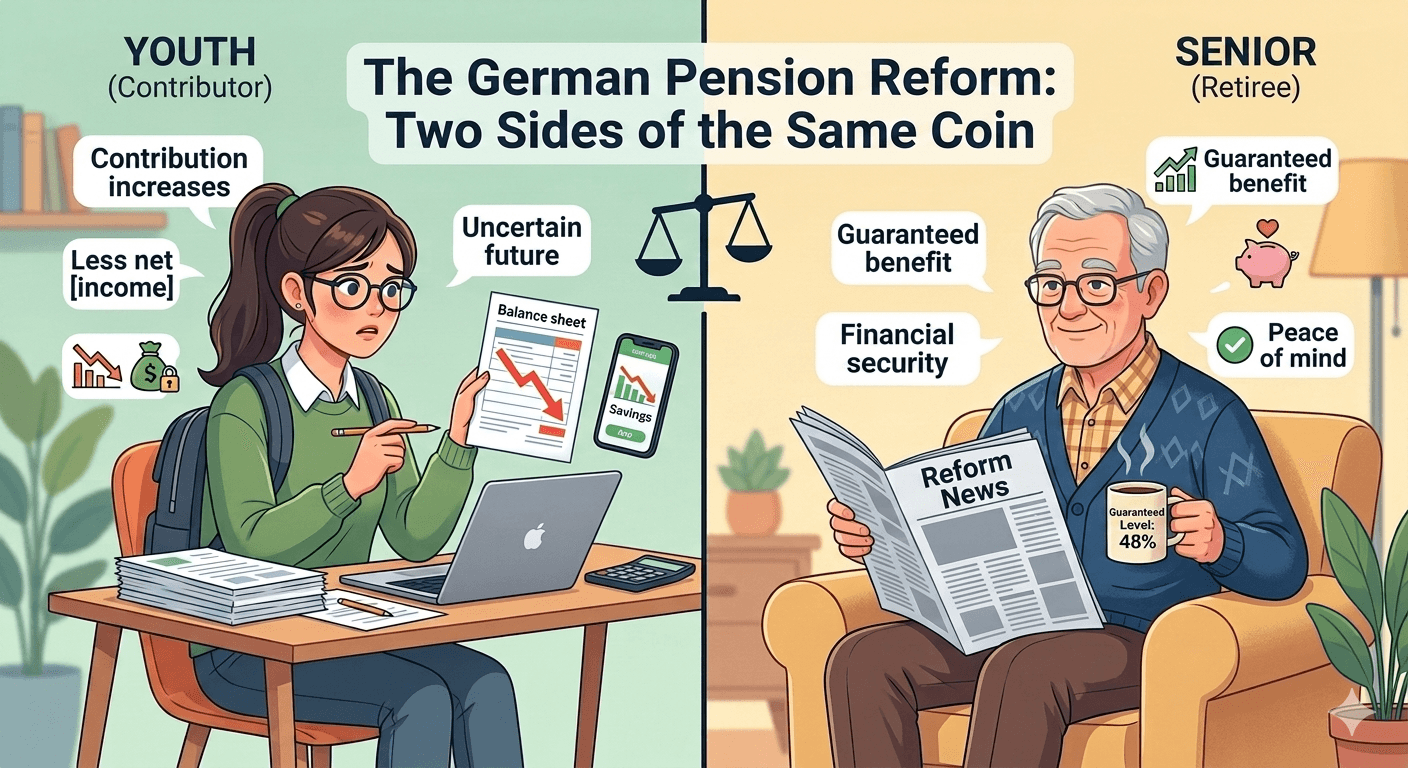
- The 48% Guarantee: The new law ensures that pension levels will not drop below 48% of the average wage until 2039.
- Stock Market Funding: For the first time, Germany is creating "Generational Capital," investing billions into the stock market to fund future benefits.
- "Retirement at 70" Debate: Leaked reports about raising the retirement age to 70 have sparked intense debates among workers and expats worldwide.
- Canadian Connection: Thousands of people living in Canada who previously worked in Germany are searching for how these changes affect their international social security agreements.
Key Changes to the German Pension System (2026)
| Reform Pillar | What Changes for You |
|---|---|
| Benefit Level | Fixed at 48% (Legally guaranteed until 2039) |
| New Fund | State investment in global equities (Generationenkapital) |
| Contributions | Projected increase in payroll taxes for companies and young workers |
| Retirement Age | Current transition to age 67 remains the official target |
Impact for Expats in Canada: If you are a Canadian resident with past contributions to the German pension system, take note. The new solvency rules and the creation of the equity-based fund could influence future adjustments to international benefit payouts.
#Rente #Germany #PensionReform #Economics